
Teeth Shifted After Braces? Why It Happens and How to Fix It
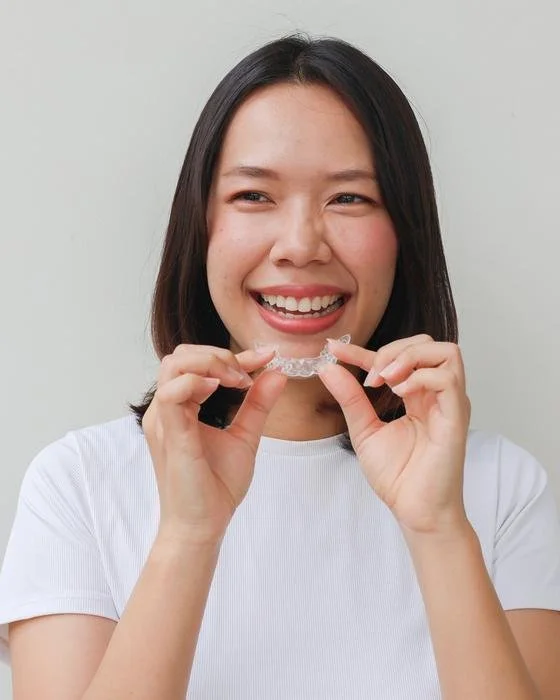
You wore braces as a teenager, your smile looked great, and then somewhere along the way your teeth quietly crept back out of line. If this sounds familiar, you are not alone. Teeth shifting after orthodontic treatment is a common reason adults in Richmond come to see us, and in many cases the fix is far smaller than the treatment you had the first time.
Here is why it happens, what your options are, and how to keep it from happening again.
Why Do Teeth Shift After Braces? Orthodontic Relapse Explained
Teeth shifting after braces has a name: orthodontic relapse, sometimes called braces relapse. Teeth are not set in concrete. They are held in place by ligaments and bone that respond to pressure and change throughout your life, so some movement over the years is normal for everyone, whether they have had orthodontic treatment or not.
One of the biggest factors is retainer wear. After braces or clear aligner treatment, retainers help hold your teeth in their new positions while the surrounding tissues adapt. Teeth are particularly susceptible to shifting after treatment, but the tendency to move never completely goes away. That is why we recommend wearing your retainer nightly for the rest of your life.
Many adults stopped wearing their retainers years ago, lost them and never replaced them, or simply found that their old retainer no longer fit. Over time, their teeth gradually shifted.
Natural aging also plays a role. Teeth and the surrounding tissues continue to change throughout adulthood, and crowding, particularly in the lower front teeth, can become more noticeable over time. This is why even people who never had braces can develop crowding as adults.
The good news is that orthodontic relapse is often minor compared with the original problem, so correcting it may be quicker, simpler, and less expensive than a full course of orthodontic treatment.
Options for a Smile That Has Shifted
The right approach depends on how much your teeth have moved. Board-certified orthodontist Dr. Matthew Cline will evaluate your teeth, bite, and goals and recommend the most effective option for your smile.
A New Retainer, If the Shift Is Very Slight
If your teeth have barely moved, Dr. Cline may recommend a new retainer or another simple approach to stabilize your smile and prevent further shifting.
If your old retainer no longer fits comfortably, don't force it. An orthodontic evaluation can determine whether a new retainer is appropriate or whether active treatment is needed to move your teeth back into position.
Limited Orthodontic Treatment
If only a few teeth have relapsed, you may be a candidate for limited orthodontic treatment, which focuses on the specific areas that have shifted rather than treating the entire mouth.
Because limited orthodontic treatment focuses on a smaller area or specific concern, treatment can often be completed in less time and at a lower cost than comprehensive orthodontic treatment. For adults who had braces or aligners in the past and have experienced minor relapse, starting over with full treatment may not be necessary.
This is one of the most common and satisfying ways we help adults who had orthodontic treatment years ago and simply want to get their smile back on track.
Clear Aligners for a Discreet Correction
Clear aligners, including Invisalign®, can be an effective option for many adults with minor to moderate orthodontic relapse. Because clear aligners are removable and nearly invisible, they allow you to realign your smile without brackets and wires.
You can learn more about orthodontic treatment options for adults or explore our Invisalign treatment.
Braces, If More Significant Movement Has Occurred
If your teeth have shifted more substantially, modern braces, including tooth-colored ceramic options, may be the most efficient way to achieve a predictable result. Dr. Cline will help you understand whether braces, clear aligners, or another treatment approach makes the most sense for your smile.
Is It Faster and Less Expensive the Second Time?
Often, yes. When only a few teeth need to move, treatment tends to be shorter and less expensive than the comprehensive braces or aligner treatment you may have had as a teen.
Because every case is different, we will give you a personalized treatment timeline and cost estimate at your visit rather than a generic number. We will also review your insurance benefits and payment and financing options so you know what to expect before deciding on treatment.
How to Keep Your Teeth From Shifting Again
Once your smile is back where you want it, long-term retention is essential. Wearing your retainer as prescribed by Dr. Cline helps protect your new tooth positions and reduce the risk of future shifting.
Retention isn't just a temporary phase after treatment. It is an important part of maintaining your orthodontic results over time. If your old retainer no longer fits because your teeth have moved, we can determine whether you need treatment first and make a new retainer once your smile is where you want it.
Think of your retainer as a small, ongoing investment that helps protect a much larger one.
Care From a Team Richmond Trusts
All Star Orthodontics is a specialty orthodontic practice led by board-certified orthodontist Dr. Matthew Cline. We have been recognized as Richmond's Favorite Family Orthodontist by Style Weekly, and by Virginia Living as both a Top Dentist and Virginia's Best Orthodontic Practice in Central Virginia.
With convenient locations in Short Pump and Libbie Mill, orthodontic care is easy to fit into your schedule.
If your teeth have shifted since braces, the best first step is a simple conversation. Schedule your complimentary consultation, and we will show you the smallest, simplest way to get your smile back.
Frequently Asked Questions
Why did my teeth move after braces? Reduced retainer wear is one of the most common reasons, along with the natural changes that occur in the teeth, bite, and supporting tissues over time. Because teeth can continue to shift throughout life, long-term retention is important for maintaining orthodontic results.
Do I need braces all over again? Not necessarily. Many adults with orthodontic relapse are candidates for limited treatment that corrects only the teeth or areas that have shifted. This can often be shorter and less expensive than comprehensive orthodontic treatment. An orthodontic consultation will determine what you actually need.
Can clear aligners fix teeth that shifted after braces? For many minor to moderate cases, yes. Clear aligner treatment is a discreet way to realign teeth that have shifted after previous orthodontic treatment. Dr. Cline will determine whether clear aligners are appropriate for your smile and bite.
Will a retainer move my teeth back? A retainer is primarily designed to hold teeth in position rather than actively straighten them. If your teeth have shifted, Dr. Cline can determine whether a retainer is appropriate or whether limited orthodontic treatment is needed to realign them.
How long does it take to fix teeth that shifted after braces? Treatment time depends on how much your teeth have shifted and what type of correction is needed. Minor relapse treated with limited orthodontics may take significantly less time than comprehensive treatment. At your consultation, Dr. Cline will provide a personalized estimate based on your teeth and bite.
How much does it cost to fix shifted teeth? The cost depends on how much correction you need and the type of treatment recommended. Limited orthodontic treatment often costs significantly less than comprehensive treatment. We will review your treatment estimate, insurance benefits, and financing options at your complimentary consultation.
The bottom line is a reassuring one: shifting after braces is usually minor and very treatable. Whenever you are ready to get your smile back on track, our team in Short Pump and Libbie Mill is here to help.